
Introducing Sonjanita Moore: High school Level chair
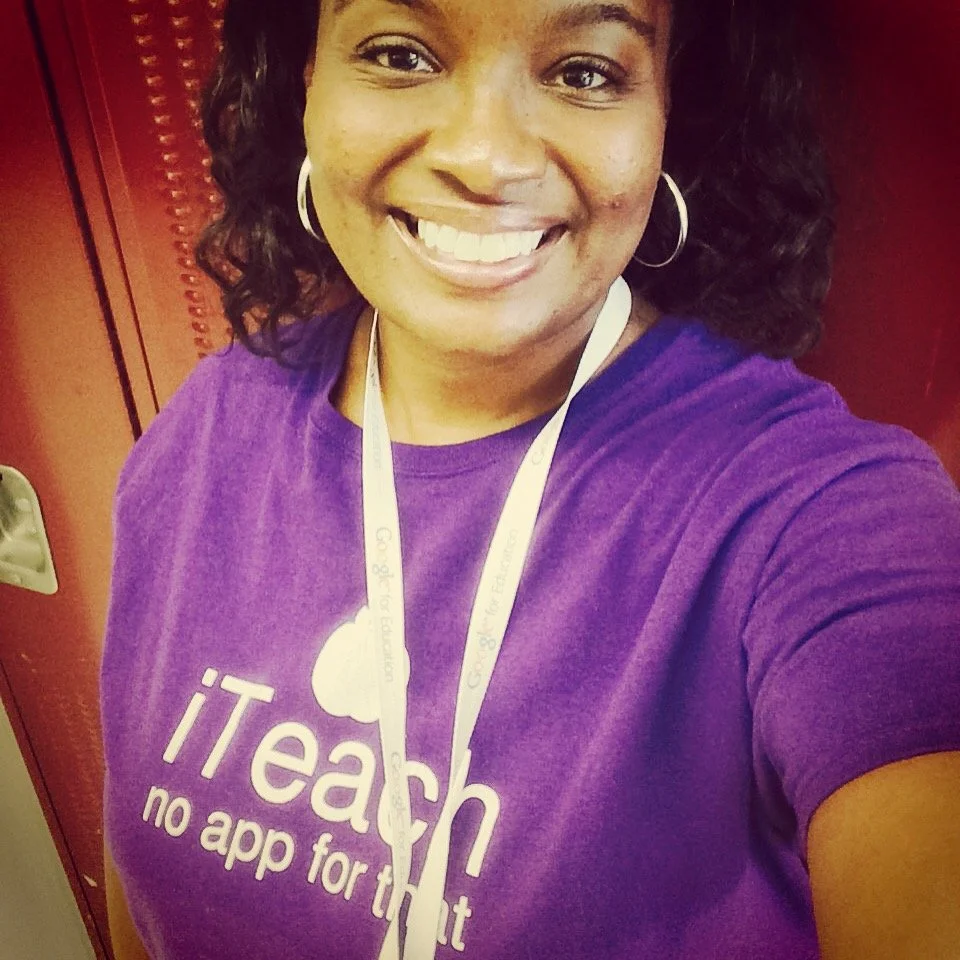
This summer, Chicago Waldorf High School welcomes our new High School Level Chair, Sonjanita Moore, bringing with her more than three decades of experience in education, a deep commitment to community-centered learning, and a passion for helping students discover their own strengths and voices.
Drawing on a rich background in education settings, she approaches her work through the principles of wisdom, unity, and collective responsibility. As she begins her journey at Chicago Waldorf High School, we had a little Q&A to learn more about her path to education, what excites her most about joining the Waldorf community, and her hopes for the year ahead.
Can you tell us a little bit about yourself and what drew you to the Chicago Waldorf High School?
I’ve been in education since 1995, grounded in the African-centered concept of Ubuntu—the belief that “I am because we are.” I’m the daughter of a single mother who was herself a teacher, and that legacy shaped how I see my role as a Seba: a teacher-leader and light-bringer, steward of truth, bridging ancestral wisdom with contemporary education. I was drawn to Chicago Waldorf School because it’s a place where that transmission of wisdom happens through rigor and humanity together, not one at the expense of the other.
What is your background in education, and how did you first encounter Waldorf education?
My background spans public, charter, alternative, and private school settings, plus museum education and adjunct teaching at DePaul, North Park, and Northwestern Universities. I was a founding teacher at the Young Women’s Leadership Charter School, a small school much like Waldorf in its intimacy and intentionality. My first real encounter with Waldorf education came through this role itself, and I found in it a philosophy that matched much of what I already believed about how young people grow.
As the new High School Level Chair, what are you most excited about in this role?
I’m excited about witnessing the magic of teaching and learning through student and teacher interactions. I’m also looking forward to strengthening existing partnerships within the building and with external partners, hopefully creating new ones, and learning more about the Waldorf way as I go.
What do you love most about working with students?
It never gets old witnessing that “a-ha” moment when a concept finally clicks, or when a student makes a real, lived connection between what they’re learning and the world around them. I love the synergy that happens when students teach each other—building their agency, leadership, collaboration, and perseverance along the way. I often think through a kintsugi lens—the Japanese art of repairing broken pottery with gold rather than hiding the cracks—helping students turn their own scattered stories into sources of strength.
How do you approach your work in the classroom—what inspires your teaching?
My practice is rooted in three African principles: Seba (the ethical transmission of wisdom), Ujima (collective work and responsibility), and Umoja (unity)—lessons I learned from my mother and from educational mentors along the way. These principles guide how I build community and shared responsibility in the classroom, believing an individual student’s growth is tied to the upliftment of the whole.
Can you share a favorite book or topic you love exploring with students?
I love drawing connections between historical events and what’s happening in the world today, and I especially love bringing in humanities and the arts. At a former school, I served as Creative Director of the Performing Arts Ensemble and facilitated a chapter of Kuumba Lynx Performance Ensemble (based in Uptown)—spoken word performances, creative writing electives, a student-run literary journal, and student leadership development. That work naturally builds relationships, empathy, and thoughtful decision-making, and that intersection of voice, art, and self-expression is where I love to meet students.
What are your hopes and/or goals for the high school in the year ahead?
I’m still getting to know the community, so my hopes are still taking shape. But I’d love to share what I’ve learned about helping teachers reconnect with their “why”—including the shift from seeing ourselves as “teacher superheroes” responsible for fixing everything, to embracing that we’re humans who teach, an idea I drew from Angela Watson’s Truth for Teachers podcast. I want to help center love as a path toward more joy in the classroom, drawing on Gholdy Muhammad’s work, and keep leaning into identity-conscious practice, in the spirit of Liza Talusan’s work—reflecting on how our own choices shape truly equitable classrooms.
Outside of school, what are some of your favorite hobbies?
I love the arts, sci-fi, and traveling—especially anything that lets me learn more about global cultures, whether that’s spending an afternoon in a museum or watching the World Cup. I’m also a devoted pop culture fan, currently deep into House of the Dragon.